

Instructor Spotlight: Introducing Chef Rich Matthews
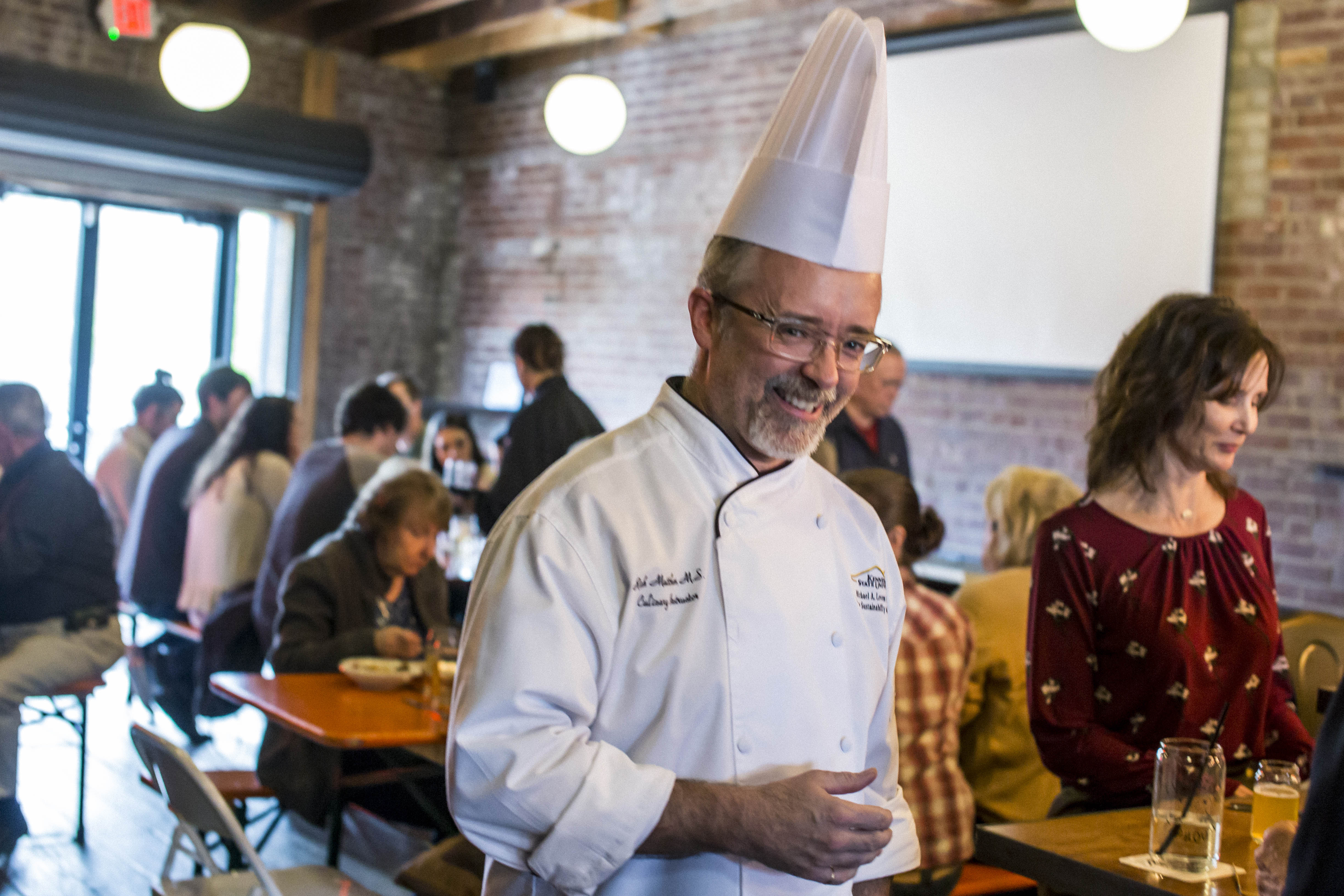
KSU Community and Professional Education is proud to introduce Chef Rich Matthews, instructor for the Culinary Apprenticeship Certificate.
With experience in restaurant management, large-scale event cuisine, and over a decade of culinary instruction, Chef Rich brings both industry expertise and mentorship experience to the program. As a career changer himself, he understands the challenges of transitioning into the culinary field while balancing life and professional responsibilities.
A Career Change Inspired by Passion
“I worked in public administration for 10 years and decided to embark on my version of running off to join the circus and enrolled in the Culinary Institute of America in Hyde Park, New York.”
After earning his culinary arts degree, Chef Rich built his career in large hotels across New York, Florida, and England. He served as sous chef at Mohonk Mountain House and Bahia Mar Beach Resort, overseeing banquets, a la carte service, and kitchen operations.
From Professional Kitchens to the Classroom
His teaching career began unexpectedly when the Art Institute of Fort Lauderdale recruited him while he was working a buffet event. That introduction led to a chef instructor role and management of a student-operated restaurant.
Since then, he has taught culinary arts full-time for nearly a decade, covering topics from fundamental cooking techniques to advanced methods, hospitality management, ServSafe® Manager certification, and job skills development.
Memorable Culinary Experiences
Among his favorite experiences:
- Leading students at the Kentucky Derby, serving thousands of guests from a mobile kitchen.
- Managing high-pressure wedding banquets at Mohonk Mountain House.
- Adapting quickly when serving an unexpectedly hungry hockey league team.
“These moments teach you how to respond under pressure and make smart decisions in real time,” he explains.
Favorite Cuisine
Chef Rich prefers savory cuisine and enjoys preparing braised beef short ribs and lobster risotto.
Why Culinary Education Matters
“For those who have a passion for food, the program provides the foundation to understand kitchen safety, knife skills, and cooking techniques. From there, graduates can launch a career anywhere in the world.”
He emphasizes that structured education builds technical confidence while opening opportunities across global food service industries.
Why Choose the Culinary Apprenticeship Certificate at KSU?
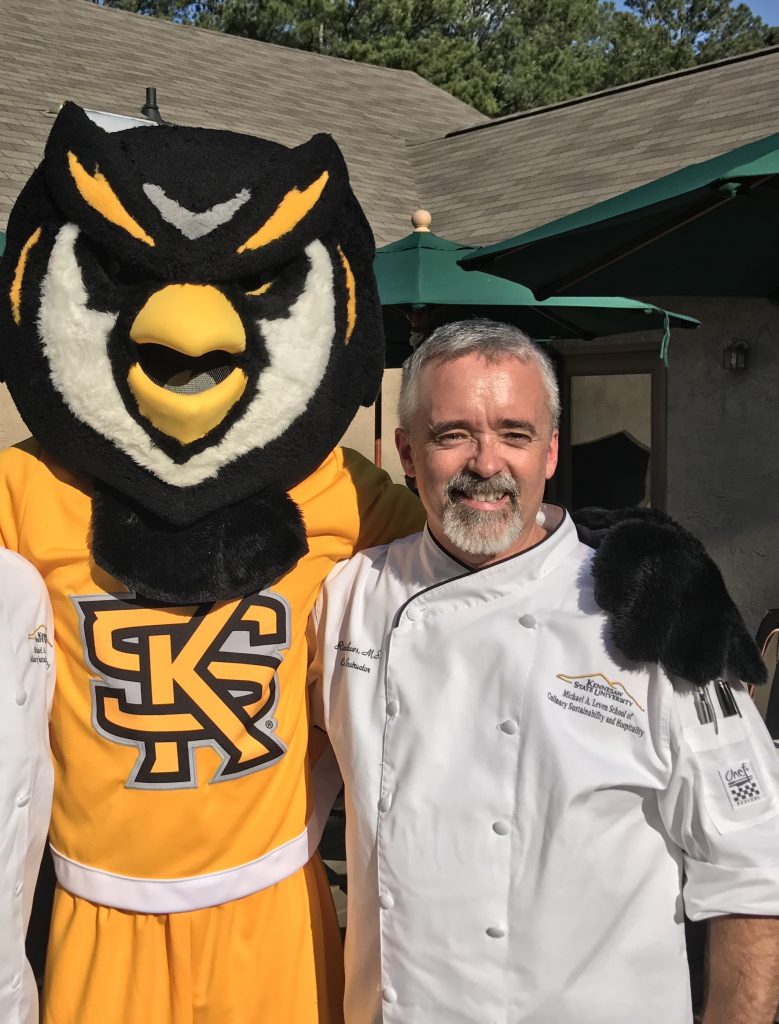
Chef Rich highlights the program’s flexible schedule—meeting one night per week over several months—as ideal for working adults. The curriculum provides exposure to a wide range of culinary techniques while emphasizing food safety and practical application.
Students benefit from strong instructor-to-student ratios and internship opportunities that allow for networking and real-world experience.
What Students Learn
The program begins with food safety, sanitation, and knife skills before progressing to:
- Soups and sauces
- Fresh pasta preparation
- Roasting and sautéing techniques
- Working with proteins such as chicken, fish, and veal
As the course advances, techniques become more sophisticated. The capstone project includes a practical cooking exam where students replicate previously demonstrated dishes under pressure.
Teaching Philosophy
“My goal is to connect with students, challenge them, and meet their individual learning needs. I want them to understand why techniques matter and how they apply both in commercial kitchens and at home.”
He values the “aha” moments when students demystify foundational techniques like emulsions, sauces, and heat control.
Preparing for the Realities of the Industry
Chef Rich encourages prospective students to understand that culinary careers are physically demanding. Professional kitchens require stamina, adaptability, and resilience.
“Cooking at home and cooking in the industry are not the same experience,” he explains. Long hours, weekends, and holidays are often part of the profession—but so is the satisfaction of creating meaningful dining experiences.
Ready to explore the Culinary Apprenticeship Certificate?
Learn more about the program here.